


How to start a technical war during the buffer period of UVLED application outbreakread count [1018] release time:2019-12-23 19:16:00
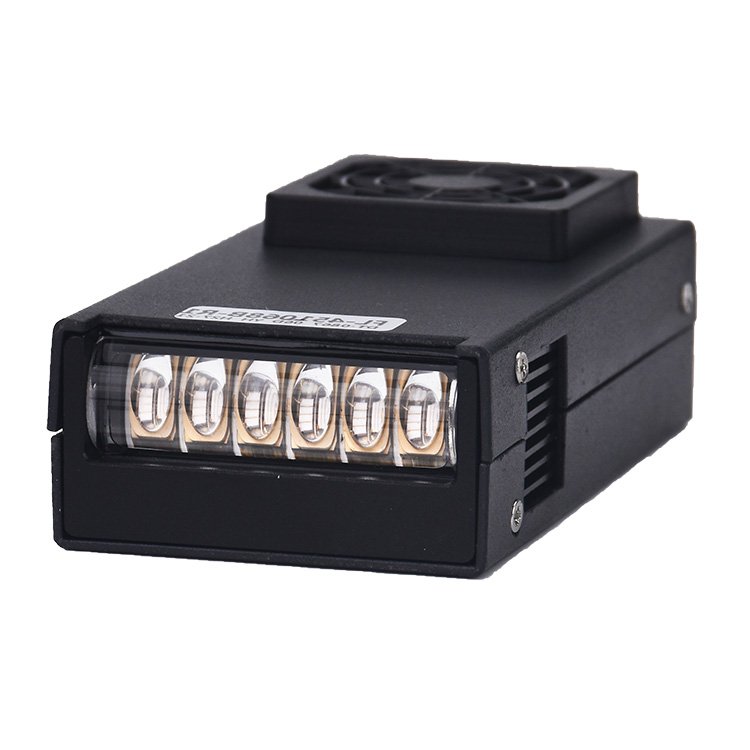
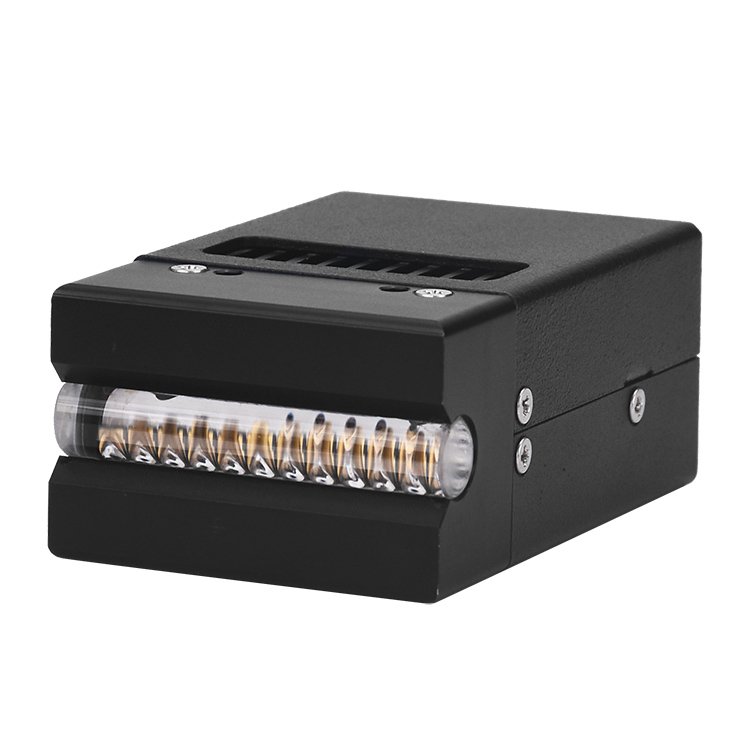
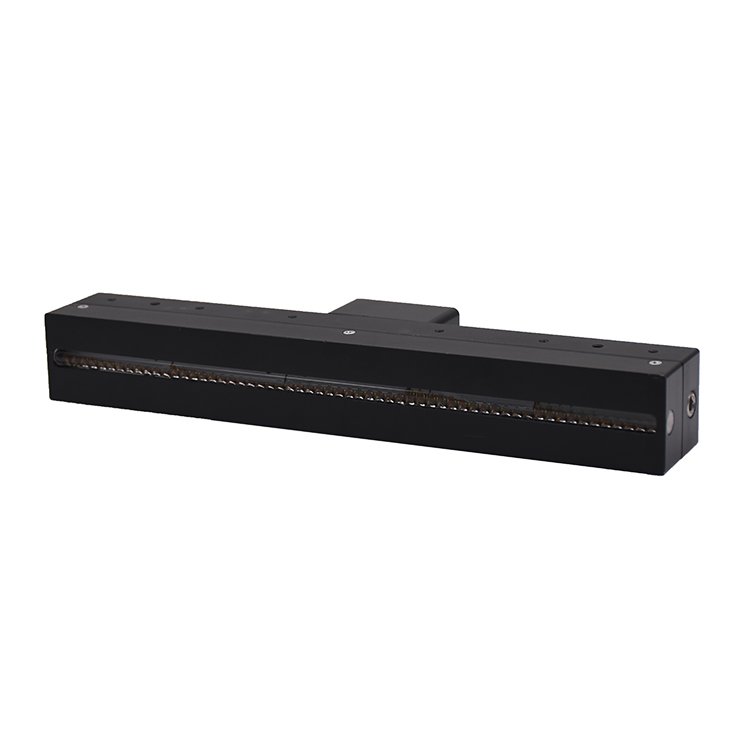
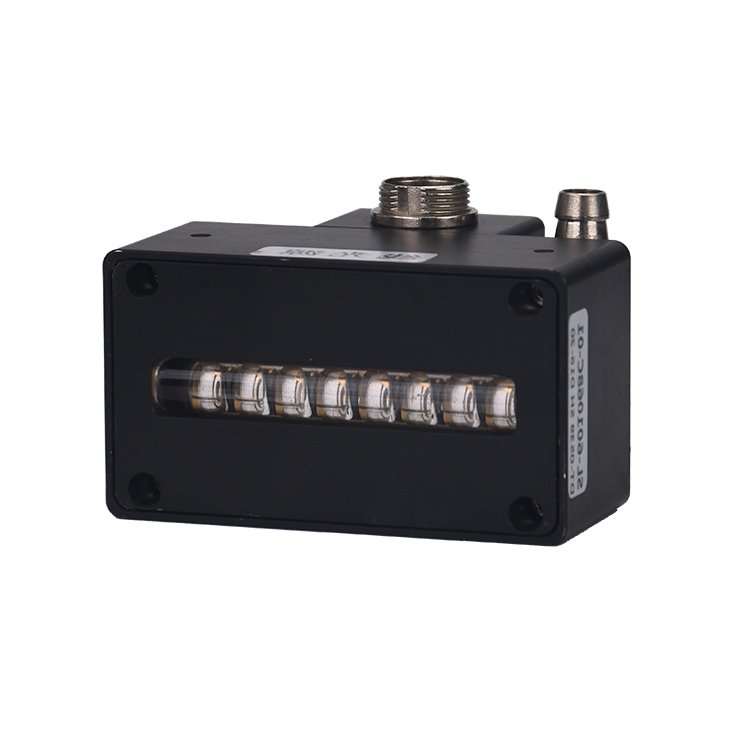
In recent years, UVLED industry As a subdivision of the LED industry, it is developing in full swing. 2019, UVLED The industry is in the buffering stage of the application explosion. The top priority for relevant companies is to start a technological war to capture as many cities and territories as possible before the real market outbreak.
Policies promote capital deployment in UVLED
In 2015, overcapacity in the LED industry triggered a price war, and ineffective production capacity began to withdraw from the market. Against this market background, the country’s “Thirteenth Five-Year Plan” (2016-2020) proposes that the LED industry will no longer be included in the cultivation industry, industry subsidies will be cancelled, and the knockout competition in the LED industry will become fierce. Affected by this, powerful and visionary LED companies have turned to the development of niche markets such as UVLED, seeking new growth points in the industry and higher profit margins. At the same time, the 2017 Minamata Convention on Mercury officially entered into force in our country. This convention requires state parties to ban the production, import and export of mercury-containing products starting from 2020. This policy has accelerated the conversion of traditional mercury lamp companies to UV LED.
According to data provided by market analysis agency Yole Development, the global UVLED market value will grow to US$320 million in 2020, and will further grow to US$1 billion in 2023. In response to the huge market imagination space, capital continues to make strategic arrangements. In 2015, international giant Seoul Semiconductor acquired up to 50% of SETi's shares, and domestic Yuanrong Optoelectronics acquired 85.61% of Qingdao Jason's shares for 109 million. ; On November 6, 2019, Tianjin Jiuri New Materials successfully listed on the Science and Technology Innovation Board. UVLED light curing The first in the industry.
The application market is waiting to explode. UV-CLED will become a new driving force.
The explosion of UVLED market value will eventually point to the explosion of the downstream application market. According to the "2019 China Home Appliances Industry Semi-Annual Report", in the first half of 2019, the domestic home appliance market's retail sales totaled 412.5 billion yuan. Some insiders speculate that if UVLED can penetrate 5% of white home appliance applications, it will reach a market size of tens of billions. But in fact, if innovation produces more categories based on UVLED light source If the application products are scaled up, the output value related to this industry will grow exponentially, and even reaching hundreds of billions is just around the corner.
UVLED is a type of LED that can emit ultraviolet rays of different wavelengths from 200nm to 400nm. Currently, UV-ALED (wavelength 320-400nm) is mainly used for curing and drying applications, accounting for at least half of the entire UVLED industry.; UV-CLED (wavelength 200-280nm) is mainly used for sterilization, disinfection and purification applications, and is expected to become a new driving force in the UVLED market in the future. At present, UV-CLED technology has yet to make a breakthrough, and quotations fluctuate greatly depending on factors such as product quality, lifespan, and reliability.
Break through technical bottlenecks and improve reliability through vacuum welding
Although there is huge room for imagination in the UVLED application market, it is still in the buffering period before the outbreak and has not yet entered the mass production period for large-scale application. Once application demand accelerates and the market enters a period of large-scale mass production, prices will inevitably drop. At that time, the market will enter a price war, and the UVLED industry will also enter a reshuffle period, where the fittest will survive and production capacity will be optimized. At present, the UVLED industry is about to enter a large-scale outbreak period, and the biggest obstacle lies in technical bottlenecks. Whoever masters core technologies and breaks through technical bottlenecks will be able to seize development opportunities.
In order to meet the large-scale implementation of UVLED application scenarios, the industry currently needs to vigorously develop high-power UVLED chips. With high power, the heat generation is naturally high, and the requirements for the heat dissipation capacity of the package are high. Only by improving heat dissipation capacity can reliability be maximized, allowing UVLED modules and application solutions to be replicated on a large scale.
Similarly, the life of the UVLED chip itself is also very important to the temperature. No matter how good the packaging is, poor heat dissipation cannot prevent the rapid decay of the UVLED chip's life. The quality of the welding between the UVLED lamp bead and the substrate determines whether the heat inside the chip can be effectively exported. The evaluation index of welding quality is void rate. The smaller the void ratio, the better the heat dissipation; the larger the void ratio, the worse the heat dissipation.
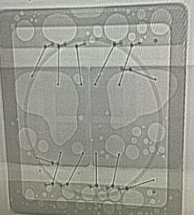
It is understood that most domestic packaging companies are still using ordinary reflow soldering technology. The void rate of UVLED chips soldered in ordinary reflow ovens is as high as about 30% (as shown below).
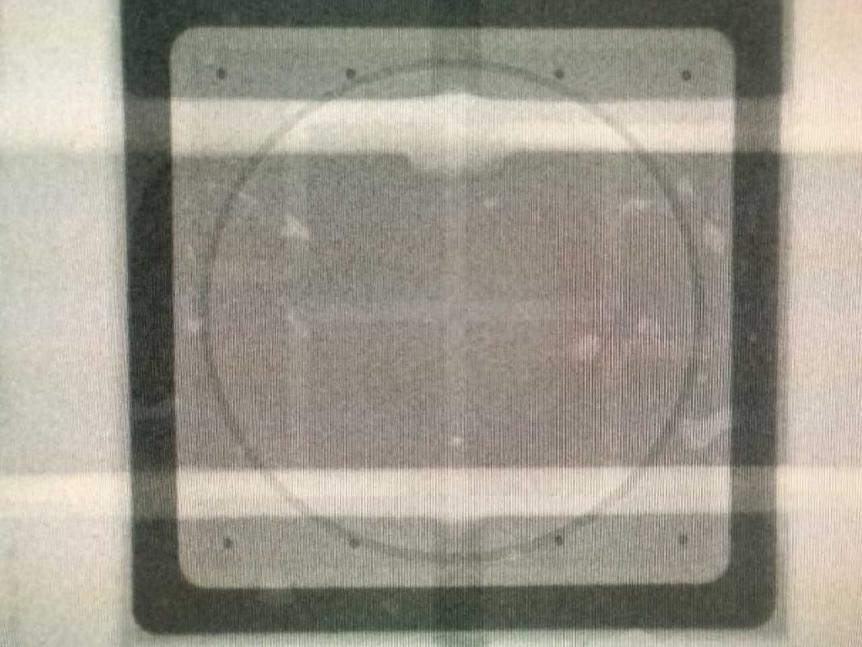
In response to the above problems, some leading companies in the UVLED industry have switched to vacuum welding technology, which has greatly reduced the void rate of UVLED chip welding and effectively improved reliability. It is understood that Beijing Zhongke Comrade Technology has specially developed a special vacuum soldering furnace for UVLED, which is a vacuum reflow soldering furnace specially used for soldering UVLED chips and modules, which can completely replace imported vacuum soldering furnaces. Using the UVLED vacuum welding furnace of Zhongke Comrade Technology, the void rate of UVLED chip welding can be controlled below 3%. (As shown below)
In addition, it is worth mentioning that Zhongke Comrade Technology’s UVLED-specific vacuum reflow oven is specially optimized for UVLED products. During the use of the UVLED chip, all its energy is emitted through brightness. Other welding processes will damage the surface and affect the luminescence. The vacuum reflow oven of Zhongke Comrade Technology will never damage the brightness of UVLED lighting and ensure the complete release of energy.
In short, when designing the package, heat dissipation design must be carried out to allow the heat of the lamp bead to be fully dissipated. In this way, problems such as light decay, oxidation, thermal expansion and contraction, shedding and failure of the pad metal layer, and solder aging caused by the heat of the lamp bead, especially the heat of the high-power lamp bead, can be solved, thereby ensuring the life of the UVLED and the reliability of the product.