


What are the common parameters of UV curing equipment?read count [595] release time:2020-03-18 21:02:00
UV curing equipment What are the commonly used parameters? Generally speaking, when customers look at the quality of a product, they first look at the parameters of the product, and then use the parameters to judge the quality of the product and whether it is worth buying. Of course, these product parameters are not marked casually, but are accurately obtained based on a series of processes such as developer development and testing. So uv What are the specific important parameters of curing equipment? Let’s find out together!
Product model:
This is actually set up to distinguish products with different functions and prices. Of course, the model name is not randomly chosen, and some are set up to better and quickly know the functions, prices, etc. of a certain device. In this way, when we talk to customers about a certain model, we can better introduce the product to customers.
Effective luminous area:
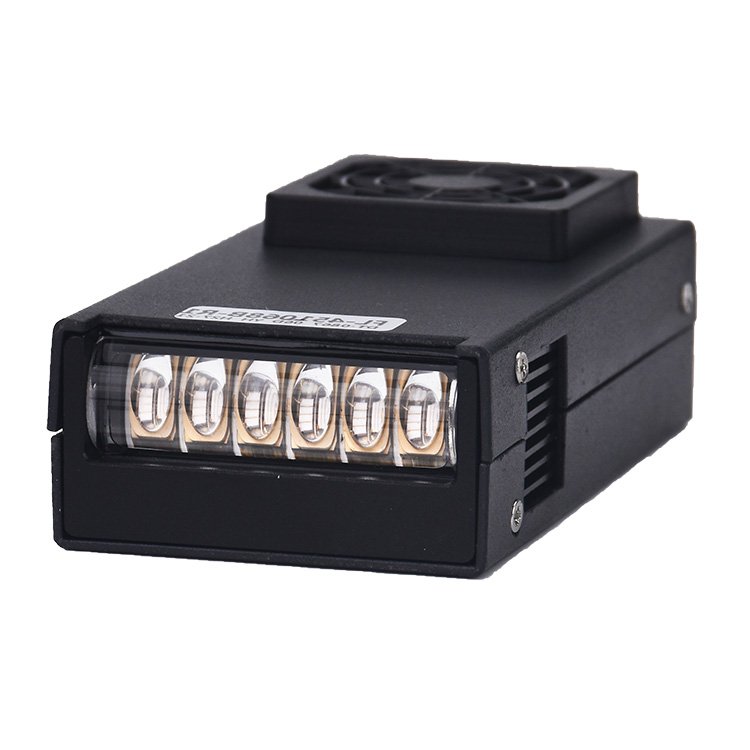
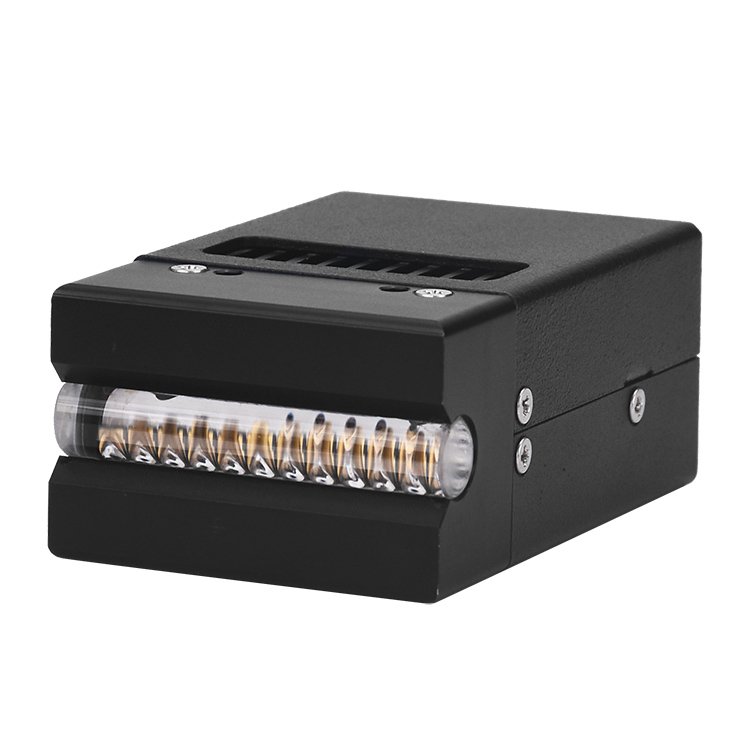
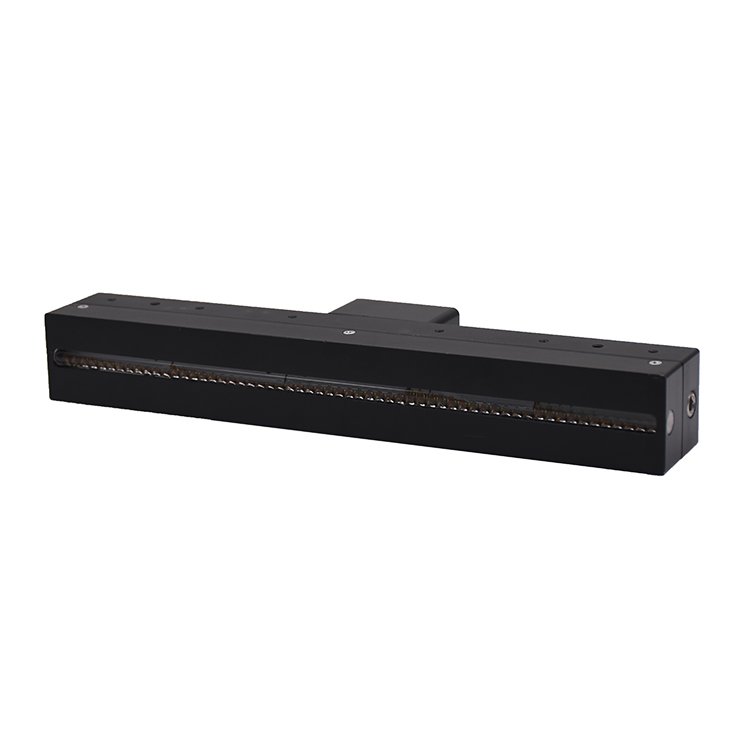
The effective luminous area is based on uv From the perspective of light sources, the effective luminous areas of different light sources are naturally different. For example, our commonly used UV light sources include linear light sources and surface light sources. Some people may ask, aren't there also point light sources? Indeed, there is, but generally speaking, UV curing equipment rarely uses point light sources. As for the reason, you will know it after thinking about it.
light intensity:
The UV intensity of UV lamps from different manufacturers is different, and the level of craftsmanship is also different. Generally, the 2WK mercury lamp is 180-210mw/cm2. The light source intensity is related to the height of the light source. Generally, the test instrument is used as the standard. You can also refer to the UV intensity standards provided by the manufacturer.
The UV intensity of the UV curing machine can be determined by two methods: UV intensity and UV intensity meter test data provided by the manufacturer. Due to changes in actual testing distance and usage time, it is necessary to rely on a UV intensity meter to visually detect changes in UV intensity as a reference standard for product curing quality.
Wavelength range:
The most commonly used ultraviolet light source now is UVA. There are generally UVA, UVB, UVC, and UVD bands. The 210-420nm range belongs to UV.
UVA band, wavelength 320~400nm, also known as long-wave black spot effect ultraviolet light. It has strong penetrating power and can penetrate most transparent glass and plastics. UVA ultraviolet rays with a wavelength of 360nm conform to the phototaxis response curve of insects and can be used to make insect traps. UVA ultraviolet rays with a wavelength of 300-420nm can pass through special tinted glass lamps that completely cut off visible light, and only radiate near-ultraviolet light centered at 365nm. It can be used in ore identification, stage decoration, banknote inspection and other places.
UVB band, wavelength 275~320nm, also known as medium wave erythema effect ultraviolet light. Ultraviolet health care lamps and plant growth lamps are made of special transparent purple glass (which does not transmit light below 254nm) and phosphors with a peak value near 300nm.
UVC band, wavelength 200~275nm, also known as short-wave sterilizing ultraviolet light. It has the weakest penetrating ability and cannot penetrate most transparent glass and plastics. Ultraviolet germicidal lamps emit UVC short-wave ultraviolet rays.
UVD band, wavelength 100~200nm, also known as vacuum ultraviolet light.
Total system power:
Refers to the total radiant energy emitted per unit area of the light source surface per unit time, also called irradiance. It is a power emitted, transferred or received in the form of radiation. It is also the radiation power of this light source that has a direct impact on the customer's curing effect.
Cooling method:
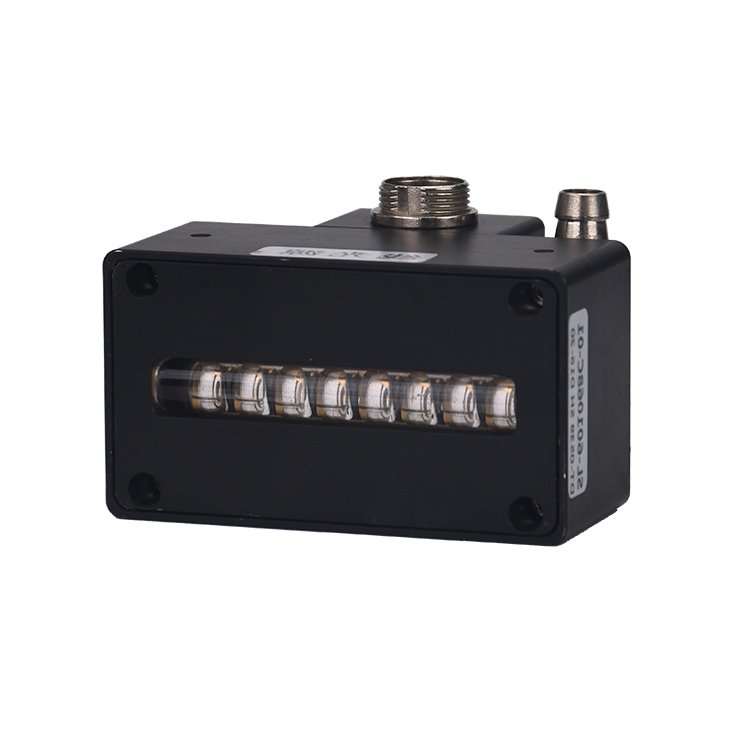
Natural cooling UVLED point light source, air-cooled UVLED surface light source , Water-cooled UVLED surface light sources With the improvement of UVLEDs and the increase in radiant energy, their requirements for system heat dissipation technology have also increased. For low-power, self-cooling or air-cooling is generally sufficient. If it is a high-power light source, water cooling must be used to lower the temperature.