


The epidemic has boosted the sales of UV lamps, driving manufacturers to accelerate the research and development of UV LEDsread count [773] release time:2020-04-02 22:38:00
The novel coronavirus outbreak, which broke out at the end of last year and spread rapidly at the beginning of the year, continues to make the world cautious. In addition to masks, disinfectant cleaners and other items in short supply, ultraviolet lamps with disinfection and sterilization functions have also become a new focus in the market.
The sales of ultraviolet lamps, which traditionally use low-pressure mercury lamps as germicidal light sources, have surged amid the spread of the epidemic. The quartz glass and brackets used to make ultraviolet mercury lamps have begun to be out of stock due to the hot sales of the products. The visibility and attention of another artificial ultraviolet light source, UV LED, have also increased significantly due to the spread of the epidemic and the increase in national epidemic prevention awareness.
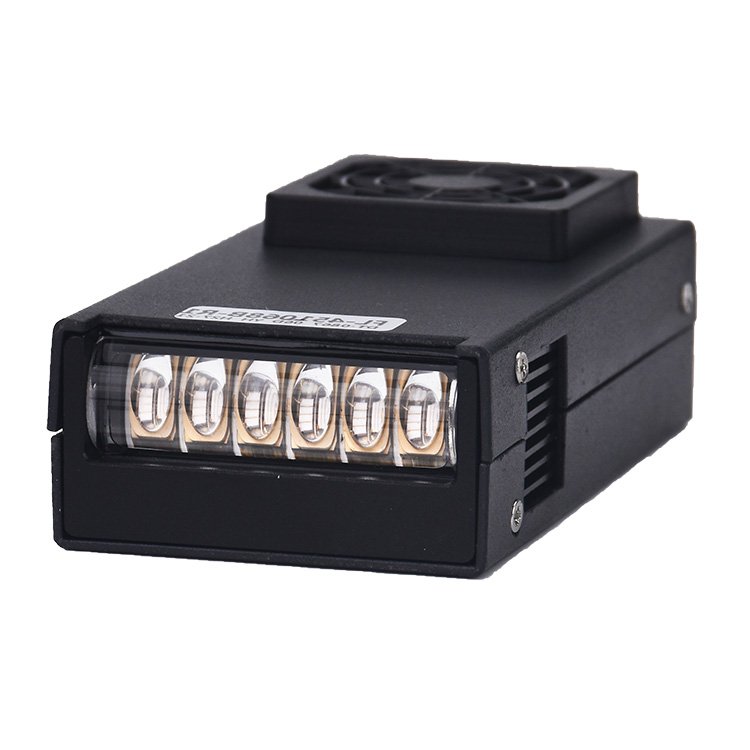
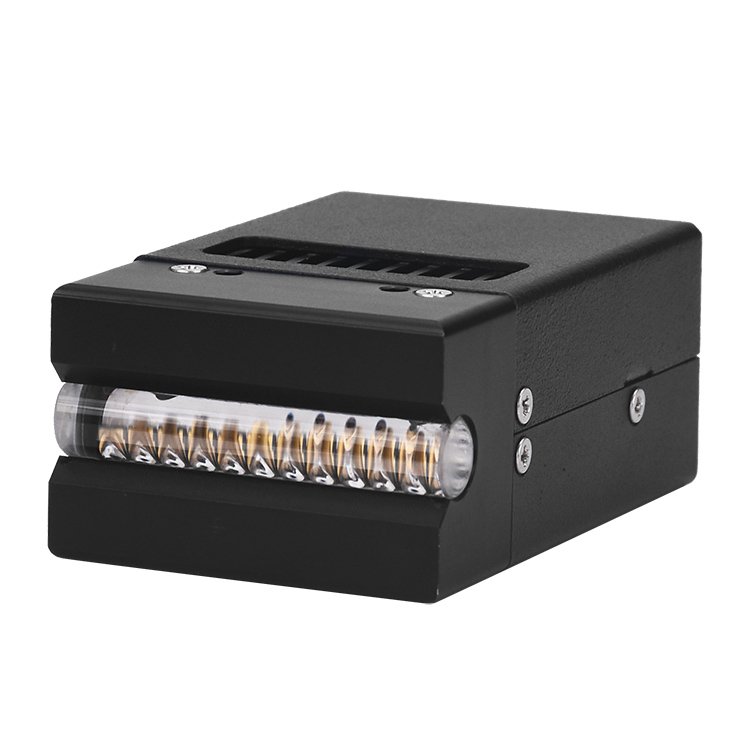
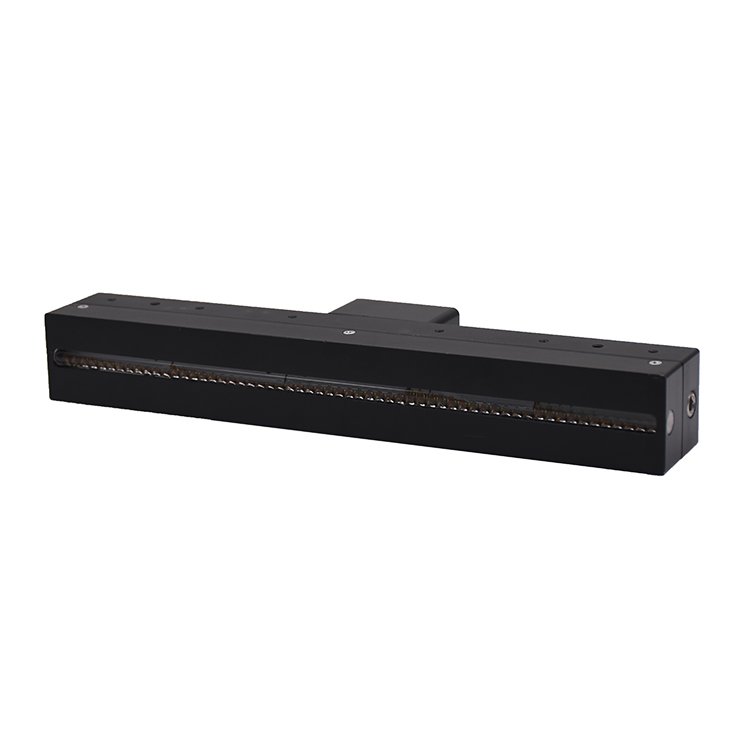
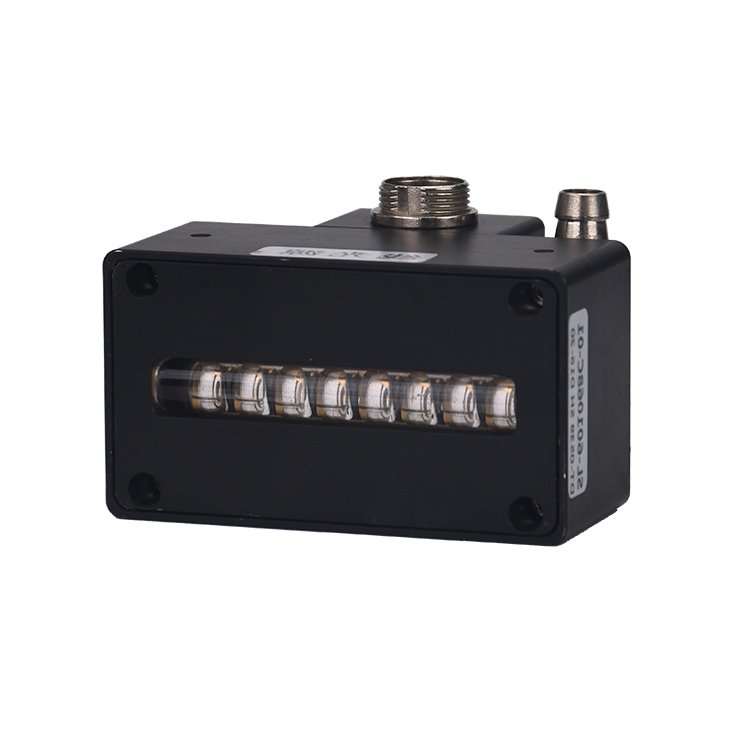
Continuous hard work in the past UV LED Technology manufacturers, in response to the demand for disinfection and sterilization brought about by this wave of epidemics, in addition to launching application products, are also actively investing more R&D resources to improve the specifications of UV LEDs, hoping to shorten the performance gap between UV LEDs and UV mercury lamps as soon as possible.
At present, the gap between UV LED and UV mercury lamp still lies in the optical power. To increase the optical power, the number of LEDs must be increased, and the cost will also increase. However, compared with mercury lamps, the service life of LED lamps can usually exceed 20,000 hours, which is more than 10 times that of traditional mercury lamps. They have fast startup speed, small size, and can be designed to meet different application requirements. Compared with mercury lamp tubes, they have higher application flexibility. More importantly, UV LED does not cause environmental pollution and consumes low energy, making it more environmentally friendly and safer than mercury lamps.
At the same time, the Minamata Convention adopted by the United Nations in 2013 Convention on Mercury has officially come into effect in 2017. Nearly 140 contracting countries are required to no longer produce, import or export products containing mercury starting from this year (2020). This convention also encourages manufacturers to accelerate the research and development and production of UV LEDs. In the long term, UV LED as an ultraviolet light source will become the mainstream of the market in the future.
LED manufacturers have continued to invest in the research and development of UV LED in recent years, and have now broken through the technical threshold and gradually lowered costs. The epidemic that broke out at the beginning of this year has increased people's demand for disinfection and epidemic prevention applications, and has also given UV LED the opportunity to become the focus.
From a production perspective, UV LED production capacity is mostly concentrated in Japan, South Korea, and the United States. A small number of manufacturers are located in Xiamen and Changzhou, and manufacturers in Taiwan also have some production capacity.
Article source - China Semiconductor Lighting Network