


Take you to understand the principles and applications of UV curing adhesives in one minuteread count [176] release time:2026-08-21 09:47:53
Introduction
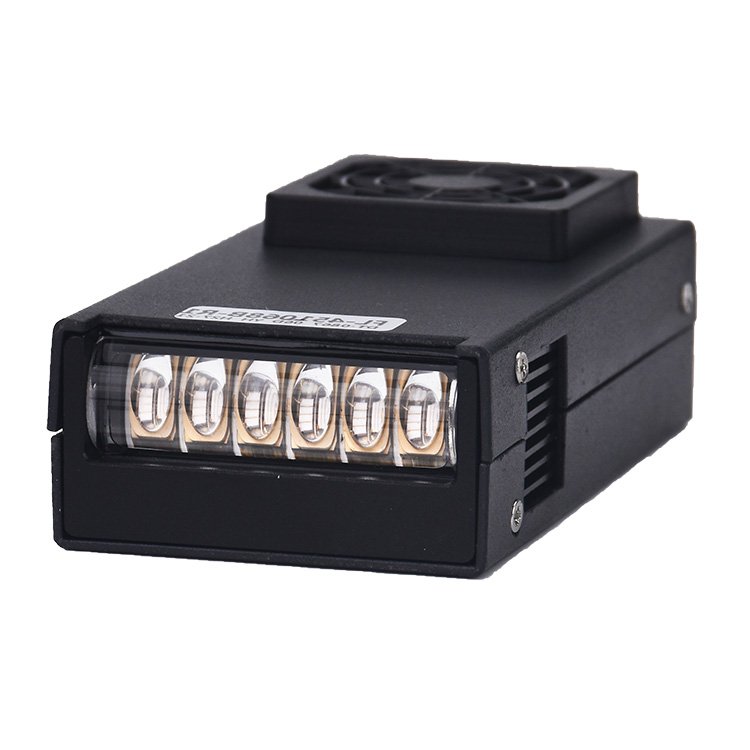
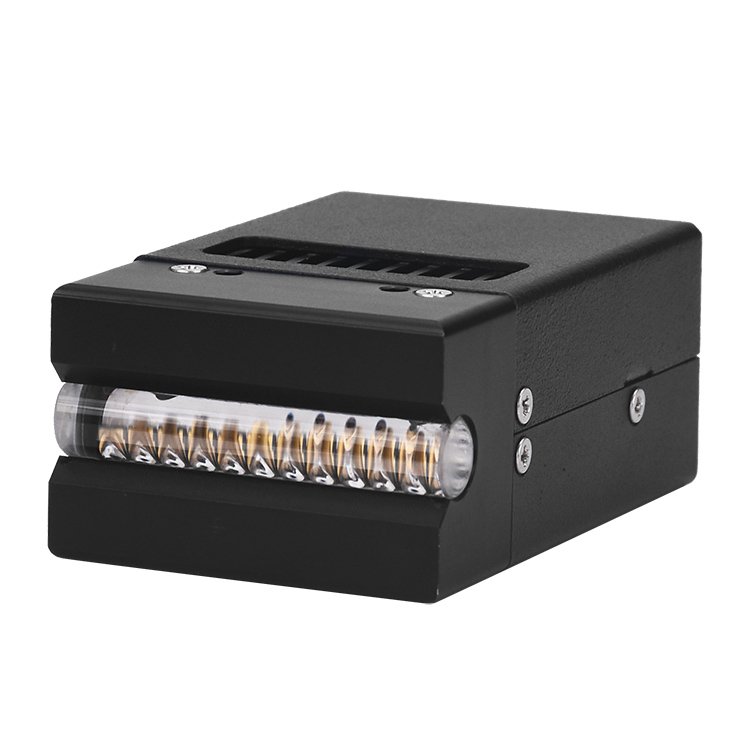
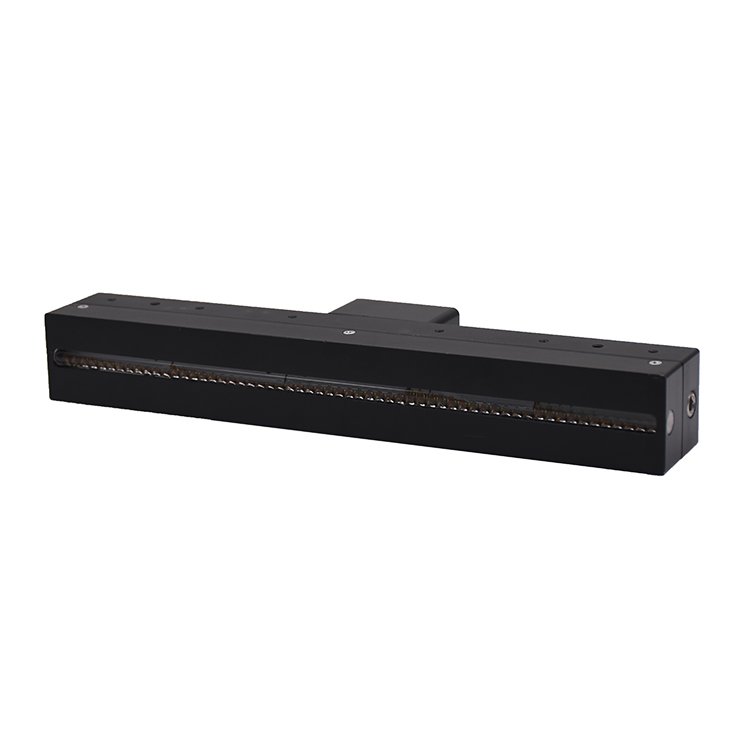
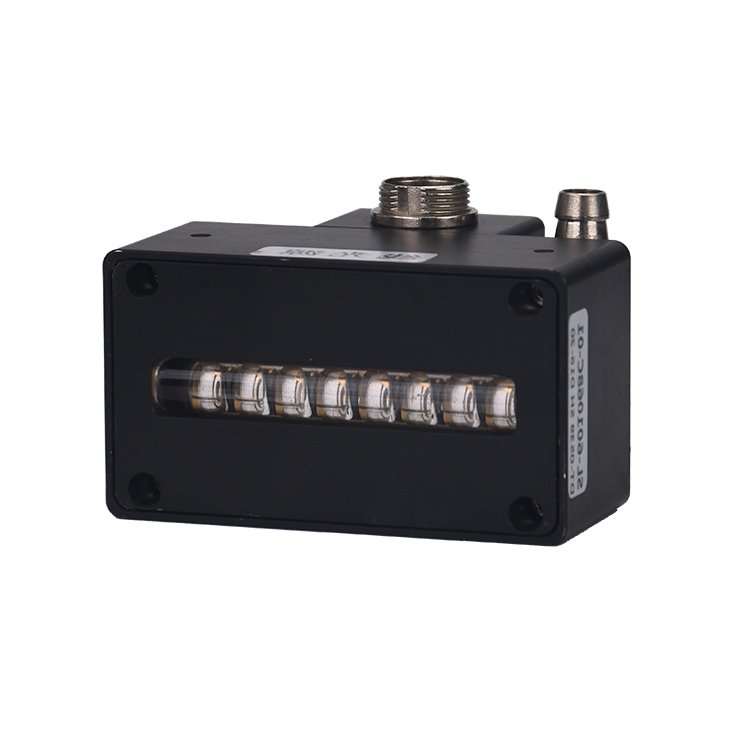
UV adhesives add photoinitiators (or photosensitizers) to specially formulated resins. After absorbing high-intensity ultraviolet light (300nm-400nm) in UV light curing equipment, active free radicals or ionic radicals are generated, which trigger polymerization, cross-linking and grafting reactions, converting the resin from liquid to solid within seconds, thereby achieving bonding of the substrate.
1. Curing principle of UV glue
1. UV adhesive curing principle
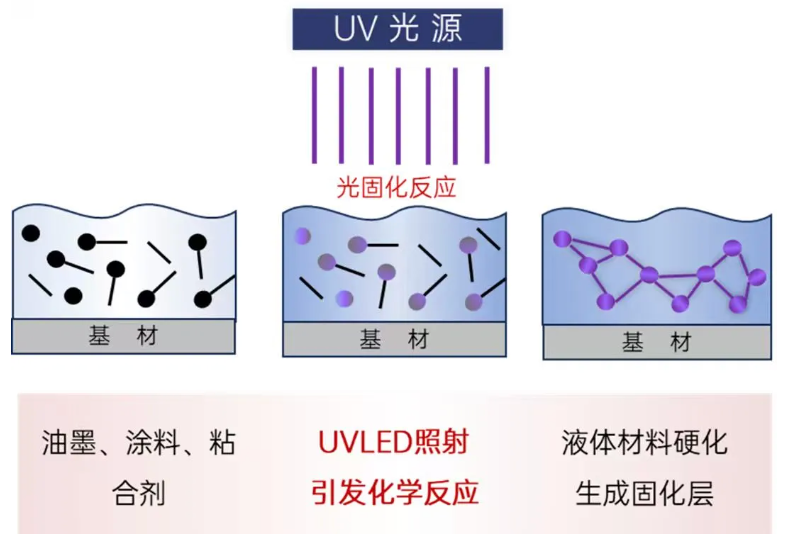
UV glue is formulated from prepolymers, reactive monomers, photoinitiators (photosensitizers), cross-linking agents and other materials. It is generally in the state of a viscous liquid before being exposed to ultraviolet light. When ultraviolet light irradiates UV glue, the bonds of the photoinitiator absorb energy and break, decomposing into active free radicals. The active free radicals trigger monomer polymerization and cross-linking reactions, causing the UV glue to convert from liquid to solid in a few seconds. This is the process of resin polymerization and molding.
2.UV light curing components
Prepolymer : 30~50% acrylate, prepolymers include: epoxy acrylate, polyurethane acrylate, polyether acrylate, polyester acrylate, acrylic resin, etc.
monomer : 40~60%, monomers include: monofunctional ones include IBOA, IBOMA, HEMA, etc., difunctional ones include TPGDA, HDDA, DEGDA, NPGDA, etc., and multifunctional ones include TMPTA, PETA, etc.
photoinitiator : 1~6%, initiators include 1173, 184, 907, benzophenone, etc.
Auxiliary : 0.2~1%, the additives include surfactants.
3. Advantages of UV light curing
Safety : Made of low-toxic acrylic and other materials, no solvent, no VOC volatiles, no pollution to the ambient air;
economy : Compared with thermal curing, UV curing has a high energy utilization rate and can save up to 90% of energy.; Fast: The curing speed is fast and can be completed in a few seconds to dozens of seconds, which is beneficial to automated production lines and improves labor productivity. ;
Easy to use : The equipment is simple and easy to use, suitable for mass production in factories and small-scale use at home.;
compatible : Good adhesion to materials, can be combined with materials sensitive to temperature and humidity;
Adjustable : The molecular weight and cross-linking degree of the resin can be adjusted by raw materials and light.
2. Six main application categories of UV glue
1.UV pressure sensitive adhesive (PSA)
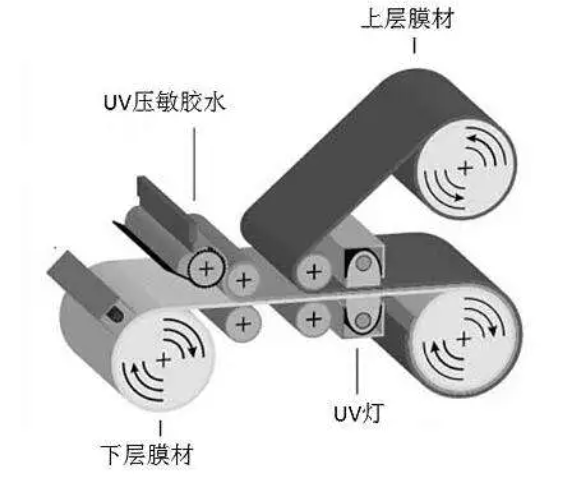
Currently, PSA is produced through solution coating, drying and chemical reaction. More than 60% of the solvent must be volatilized and burned. This results in high emissions, long production process, low efficiency, and harmful chemicals such as solvents may remain in the product. PSA is produced using the UV curing method. After coating the solvent-free liquid ingredients on the substrate, it is then photopolymerized by UV light irradiation. There is no need for a hot drying tunnel, the production line is simplified, the production process is environmentally friendly, almost zero emissions, and the production efficiency is also greatly improved.
PSA's products are in various forms, from decorative films, various protective films to engineering structural tapes. They are widely used and are used in advertising boards, electronic products and high-end packaging boxes.
2.UV composite glue
Food, beverages and some biomedical products require high-barrier flexible packaging. The barrier properties of packaging materials determine and affect the edible time. High-barrier packaging materials are made of plastic films, paper and metal films. They have the characteristics of high strength, good oxygen and water barrier properties, safe, hygienic and non-toxic, suitable for printing, and can withstand freezing and high temperatures of 120°C.
At present, composite adhesives in the flexible packaging industry are almost all solvent-based adhesives, and the quality of the solvent is >70%. The composite process goes through the process steps of coating, solvent evaporation, compounding, storage, and aging. In addition to being flammable and explosive, it also has high emissions, a long production process, and low efficiency. Solvents still remain in the composite film. This is one of the main reasons why many pharmaceutical and food packaging materials still do not meet the health indicators.
Using UV adhesives to replace solvent-based adhesives will not only greatly improve the production efficiency of composite films, but also reduce the production process from several hours to one minute.; UV adhesive does not contain solvents, has no volatilization, and has no harmful residues. It can also ensure that the composite film meets the health and hygiene requirements of food, medicine and other packaging materials.
3.UV construction adhesive
Safety glass mainly uses polyvinyl butyral film as the bonding material. The glass sheets are bonded through vacuum degassing and hot pressing processes. The total production time takes about ten hours. Laminated safety glass has been produced for a long time using liquid pasting methods that include edge sealing, glue filling, and storage under natural light for tens of minutes to complete photopolymerization. However, it is still a non-mainstream product and is mainly used in the low-end safety glass market. The main reason why liquid bonding methods are not widely accepted is that the performance of UV glue is insufficient and there is a lack of reliable data on safety. The growth momentum of UV glue in the construction field is good, and UV glue is used in store kitchen windows, decoration, and stained glass. With the improvement of performance, UV construction adhesives will have great development.
In recent years, the application of PVC stone-plastic flooring has developed rapidly in China. The construction method is to first scrape a layer of adhesive on the construction floor and then bond the PVC flooring. PVC plastic floor glue can be mainly divided into three categories: water-emulsion type, solvent type, and reactive type. Water-emulsion adhesive uses water as the dispersion medium, and the product is non-toxic and low-cost. However, the water resistance is poor. Generally, after being soaked in water, the adhesive force will drop significantly, such as water-based acrylic. Solvent-based adhesives are mainly polyvinyl acetate and chloroprene rubber adhesives. Reactive types include polyurethane series adhesives. This type of adhesive is required after construction.
4.UV electronic glue
UV adhesive has been widely used in the field of electronic products, including cable positioning, pin sealing, preparation of LCD panels, mobile phone buttons, etc. UV curing bonding is a necessary technical means in the manufacturing of electronic products. With the thinning of electronic products and the emergence of organic optoelectronic devices and flexible and bendable display devices, there is a huge demand for UV adhesives that adapt to the roll-to-roll process. The characteristics of efficient, fast, timely and controllable UV curing will be fully revealed.
5.UV optical glue
Touch screens are currently the largest single application for UV optical adhesives. UV optical adhesive in touch screens has three functions: bonding, increasing light transmittance and improving impact resistance. It needs to meet strict performance requirements, including color, weather resistance and environmental stability, electrical performance, optical performance, etc. The bonding materials involved in touch screen lamination mainly include: glass, ITO conductive layer, PET, PMMA, PC, etc. When the touch screen uses sapphire, UV glue with a higher refractive index will be needed to improve the light transmittance.
Currently, there are liquid (LOCA) and solid (OCA) optical glues used for touch screens. The former is dispensed by a program-controlled dispensing machine, covered with a glass cover, leveled and filled, and solidified through the cover. It has the advantages of good filling and convenient glue application, but it requires cleaning up the glue overflow.; OCA is a double-sided PSA without a base material, with release films on the top and bottom. When using, remove the light release film first and then attach it, then remove the heavy release film and then attach it to the other bonding surface. The liquid glue used in earlier touch screens was thermally cured, with a long production process and low efficiency. Now it has all been converted to UV-cured glue. The current OCA is still produced using traditional solvent-based adhesives through coating, drying, and thermal cross-linking processes. The drying tunnel is long and there are many defects caused by dust. Switching to UV curing technology will greatly improve production efficiency, reduce equipment investment and production costs.
6.UV medical glue
UV adhesives have great room for growth in the medical field. For example, medical pressure-sensitive adhesives or tapes can be prepared by UV curing, which can form a series of products.