
Yongcheng Popular Science|Diversified Applications of UV LED, Full Analysis of Ten Major Fieldsread count [183] release time:2026-08-07 09:34:00
Introduction
With the continuous deepening of LED research and development, LED technology innovation and application fields continue to expand, and the LED market is becoming wider and wider. UV LED is gradually entering our field of vision. For the general public, the right amount of ultraviolet rays of the right wavelength are also necessary light waves for our human body. So today we will take a look at the main applications of UV LED.
The so-called ultraviolet rays (abbreviated as UV) refer to the visible rays of the sun (red, orange, yellow, green, blue, violet) and the invisible rays other than purple.
Ultraviolet rays are a general term for radiation with wavelengths from 10nm to 400nm in the electromagnetic spectrum. According to different wavelengths, ultraviolet rays are generally divided into three bands: A, B, and C. The details are as follows: UVA is 400~315 nm, UVB is 315~280 nm, and UVC is 280~100 nm. Corresponding to different wavelengths, the specific applications are different.
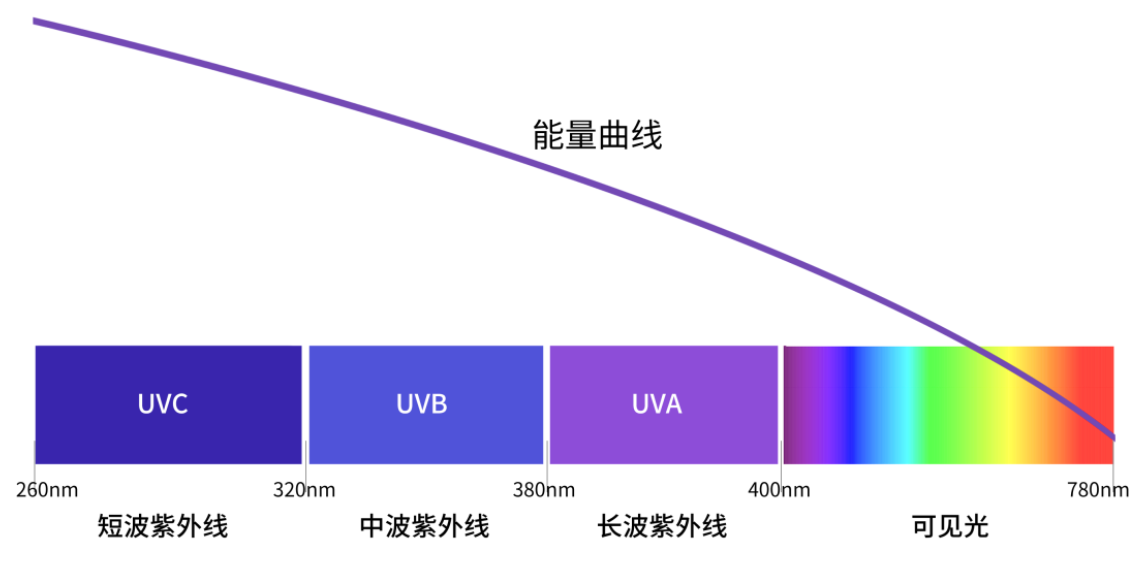
In the market application of UV LED, UV-A occupies the largest market share, as high as 90%. Its main application market is curing, involving nail art, teeth, ink printing and other fields. In addition, commercial lighting has also introduced UV-A, which can make white clothes look whiter.
As for UV-B and UV-C, they are mainly used for sterilization, disinfection, medical phototherapy, etc. Among them, UV-B is mainly used for medical treatment, and UV-C is used for sterilization and disinfection. In addition, UV LED has been applied from banknote recognition to photoresin hardening, insect capture and printing, and has developed into biomedicine, anti-counterfeiting identification, air purification, data storage and military aviation fields such as sterilization and disinfection, mainly special lighting.
1. Application fields in light curing systems
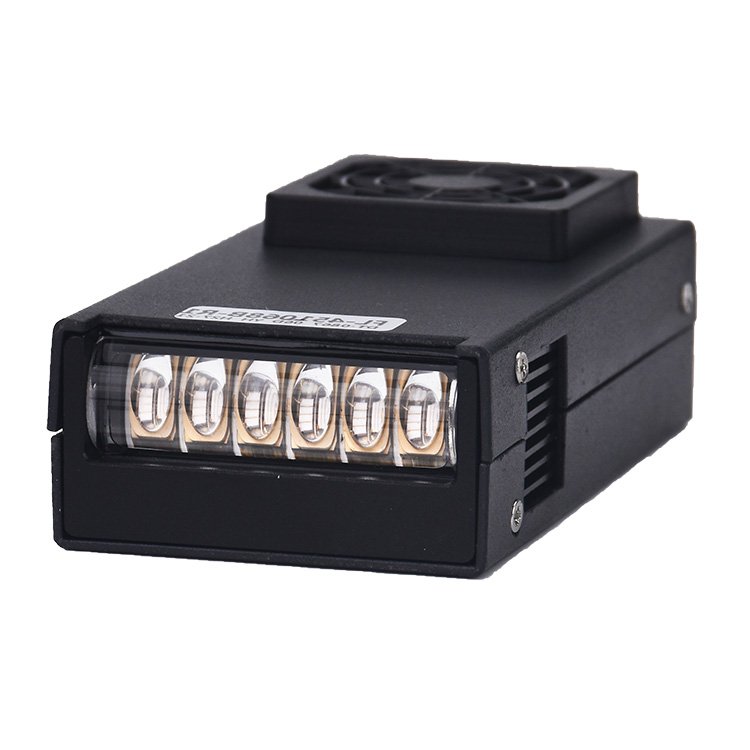
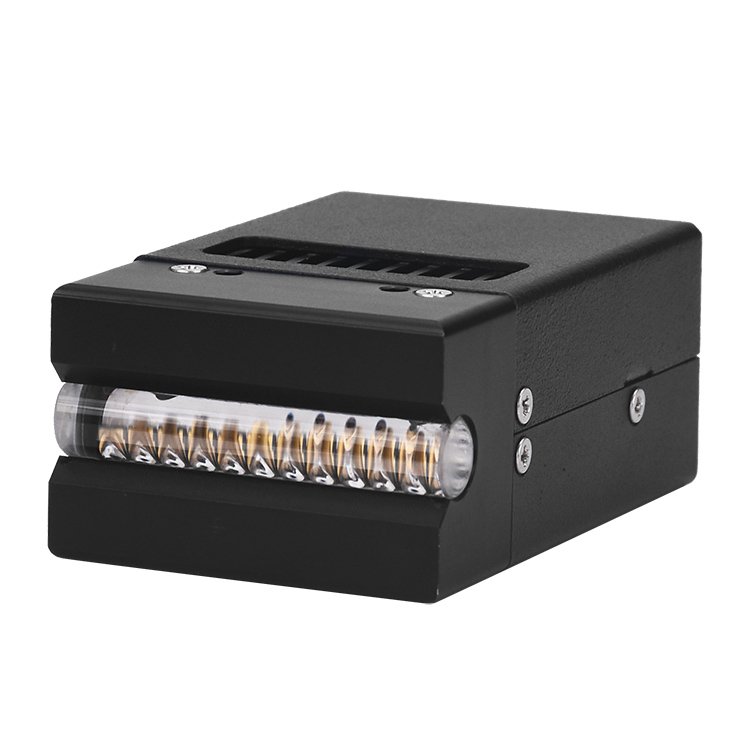
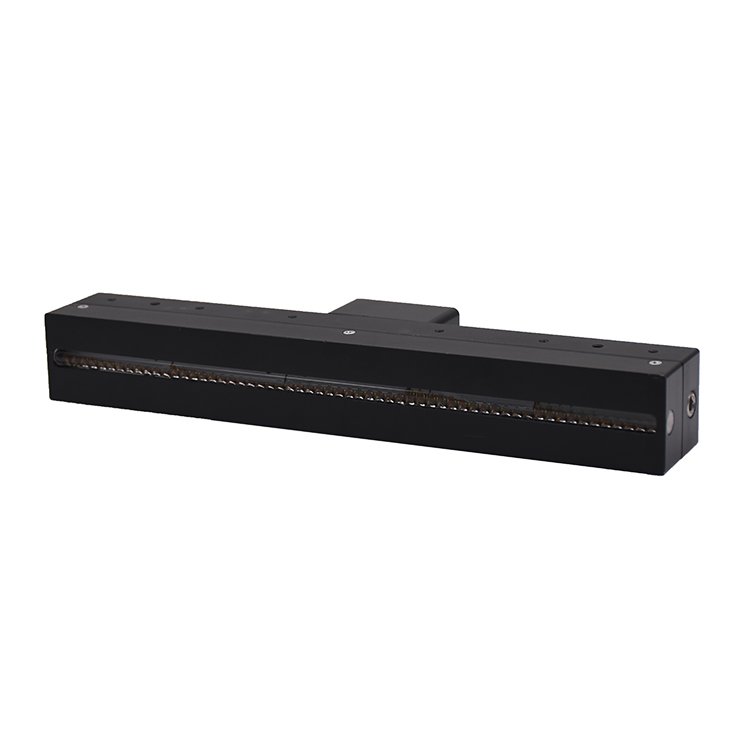
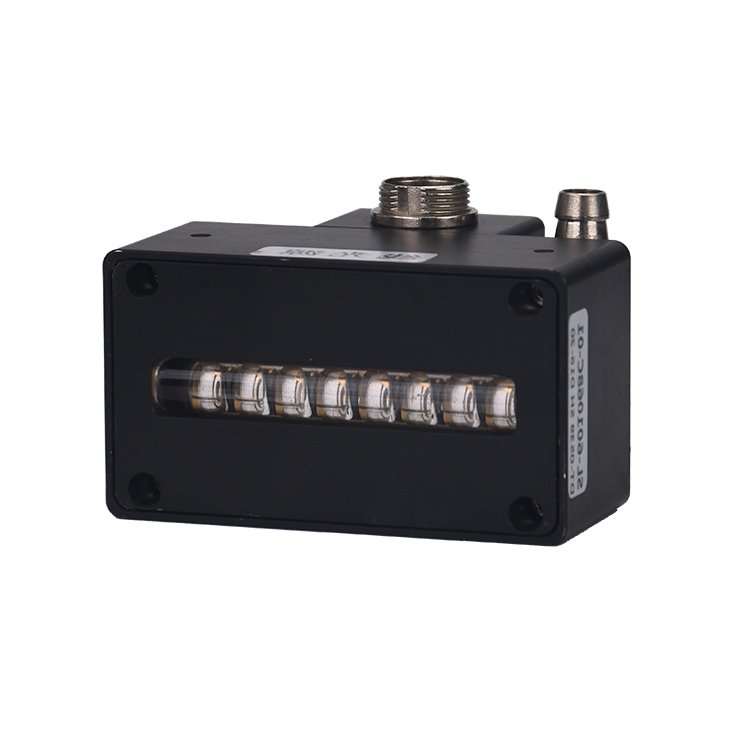
Typical applications of the UVA band are UV curing and UV inkjet printing, with representative wavelengths of 395nm and 365nm. UV LED curing applications include UV glue curing in display screens, electronic medical, instrumentation and other industries. UV coating curing in building materials, furniture, home appliances, automobiles and other industries ; Curing of UV ink in printing, packaging and other industries...
Among them, the UV LED decorative panel industry has become a hot spot. Its biggest advantage is that it can produce zero-formaldehyde environmentally friendly panels, which have the advantages of 90% energy saving, large output, anti-coin scratches, and good overall economic benefits. This shows that the UV LED curing market is an all-round, full-cycle application product market.
2. Medical field
Skin treatment: An important application of the UVB band is the treatment of skin diseases, that is, ultraviolet phototherapy applications.
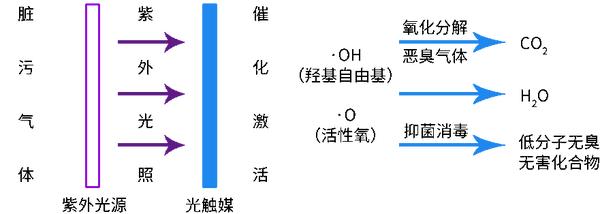
Scientists have discovered that ultraviolet rays with a wavelength of about 310nm have a strong dark spot effect on the skin, accelerate skin metabolism, improve skin growth, and thus can effectively treat actinic skin diseases such as vitiligo, pityriasis rosea, polymorphous sunburn, chronic actinic dermatitis, and actinic prurigo. Therefore, UV therapy is increasingly used in the medical industry.
Medical devices: UV glue bonding makes it easier to economically automate the assembly of medical devices. Now, advanced LED UV light source systems, which cure solvent-free UV glue in seconds, and dispensing systems make the medical device assembly process an effective and cost-effective way to create consistent and repeatable bonds.
3. Sterilization and disinfection fields
Due to its short wavelength and high energy, UVC band ultraviolet rays can destroy the molecular structure of DNA (deoxyribonucleic acid) or RNA (ribonucleic acid) in the cells of microbial organisms (bacteria, viruses, spores and other pathogens) in a short period of time. Cells cannot regenerate, and bacteria and viruses lose the ability to replicate themselves. Therefore, UVC band products can be widely used in sterilization and disinfection of water, air, etc.
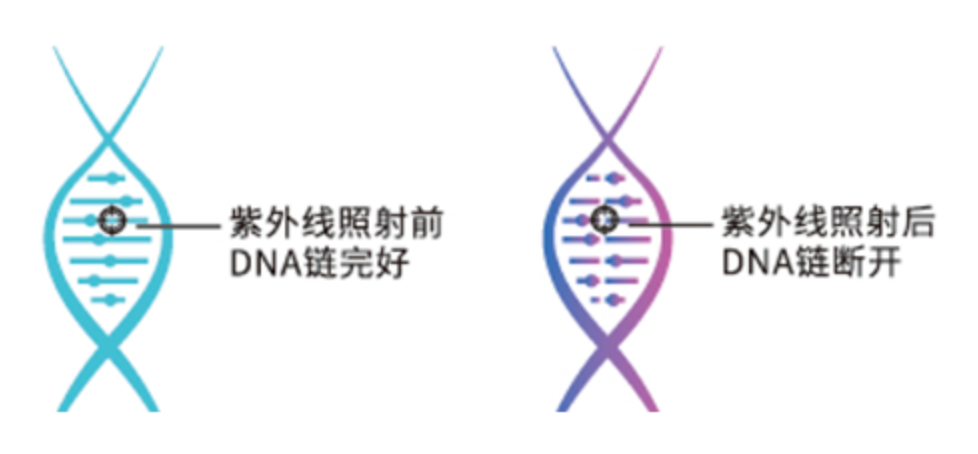
Some deep UV products currently on the market include LED deep UV portable sterilizers, LED deep UV toothbrush sterilizers, deep UV LED contact lens cleaners, air sterilization, water purification sterilization, food and object surface sterilization, etc. As people's awareness of safety and hygiene increases, the demand for these products will greatly increase, forming a large-scale market.
4. Military field
Since the UVC band belongs to the sun-blind ultraviolet band, it also has important military applications, such as short-distance ultraviolet confidential communications, ultraviolet interference, ultraviolet warning technology, etc.
Ultraviolet communication: Ultraviolet communication is a new communication method with great development potential. It has many advantages that other conventional communication methods do not have, such as low eavesdropping rate, high anti-interference, low recognition rate, all-weather operation, etc. Therefore, it has been widely valued by departments with higher requirements for communication confidentiality and mobility.
Ultraviolet (UV) interference: The emergence of ultraviolet dual-color guided missiles will inevitably lead to the development of infrared-ultraviolet dual-color interference technology. The key to ultraviolet interference is to develop gunpowder with strong enough ultraviolet radiation and add it to make interference bombs with ultraviolet interference capabilities.
Ultraviolet (UV) warning: The ultraviolet warning device is used to detect ultraviolet (UV) radiation in the missile tail flame. It lists the tail flame radiation characteristics of missiles using different fuels at low altitudes. Active alarms that rely on radar work and passive alarms that mainly include infrared, laser and ultraviolet (UV) alarms.
5. Plant factory field
According to researcher Liu Wenke from the Institute of Agricultural Environment and Sustainable Development of the Chinese Academy of Agricultural Sciences, closed soilless cultivation can easily cause the accumulation of autotoxic substances, and TiO2 photocatalysis can degrade root exudates and rice husk degradation products in the matrix cultivation nutrient solution. Sunlight only contains 3% of ultraviolet light, and facility covering materials such as glass filter out more than 60%, making it impossible to apply in facilities.; The off-season cultivation of vegetables due to the low temperature and lack of sunlight in winter makes it inefficient and unstable, making it unable to meet the needs of factory production of facility vegetables.
There is an urgent need to develop an artificial light titanium dioxide photocatalytic system suitable for soilless cultivation in facility horticulture, especially plant factories, which has huge commercial potential.
By June 2015, there were more than 80 plant factories in China, with hundreds of thousands of hectares planted in multi-span greenhouses.
6. Application fields of oil fume purification equipment
The ultraviolet photolysis and oxidation oil fume purification system is currently the most advanced photolysis and oxidation oil fume purification system in China. In this purification system, a specially designed ultraviolet lamp containing 185nm+254nm plays a core role.
It can decompose grease and odor in the kitchen air, and has the advantages of no secondary pollution, reduced fire hazards, small size, light weight, and greatly reduced maintenance costs.
7. Exhaust gas treatment application fields
According to reports, the total VOCs emissions from my country's textile industry account for about 30% of the total industrial VOCs emissions. VOCs are one of the precursor substances that generate haze and are an important component in the formation of PM2.5. Photocatalytic oxidation using UV LED as a photocatalytic light source is a better way to treat VOCs. It has the advantages of small size, high catalytic activity, stable chemical properties, low cost, non-toxicity, etc., and has broad application prospects.
8. Field of optical gem identification
Different types of gemstones, the same gemstone in different colors, and gemstones of the same color but with different color-causing mechanisms have different UV-visible absorption spectra.
Although some optimized gems have the same color as their corresponding natural gems, they have different absorption spectra due to different color-causing mechanisms or color-causing substances. UV LED can help identify gemstones and distinguish certain natural gemstones from synthetic gemstones. It can also distinguish certain natural gemstones from artificially treated gemstones through UV light.
9. Banknote identification
Ultraviolet identification technology mainly uses fluorescence or ultraviolet sensors to detect the fluorescent imprint anti-counterfeiting marks of banknotes and the matte reaction of banknotes. This type of identification technology can identify most counterfeit banknotes (such as washed, bleached, pasted, etc. banknotes). This technology is the earliest developed, the most mature, and the most widely used.
It is not only used for deposit identification in ATM machines, but also used in financial machines such as money counting machines and money detectors. Under normal circumstances, fluorescence and purple light are used to conduct all-round reflection and transmission detection of banknotes. According to the different absorption and reflectivity of ultraviolet rays, banknotes and other papers can be identified to determine their authenticity. Banknotes with fluorescent markings can also be quantitatively identified.
10. Application fields of photoresin hardening
UV curable resin is mainly composed of oligomers, cross-linking agents, diluents, photosensitizers and other specific additives. It irradiates polymer resin with ultraviolet light to cause cross-linking reaction and instant curing.
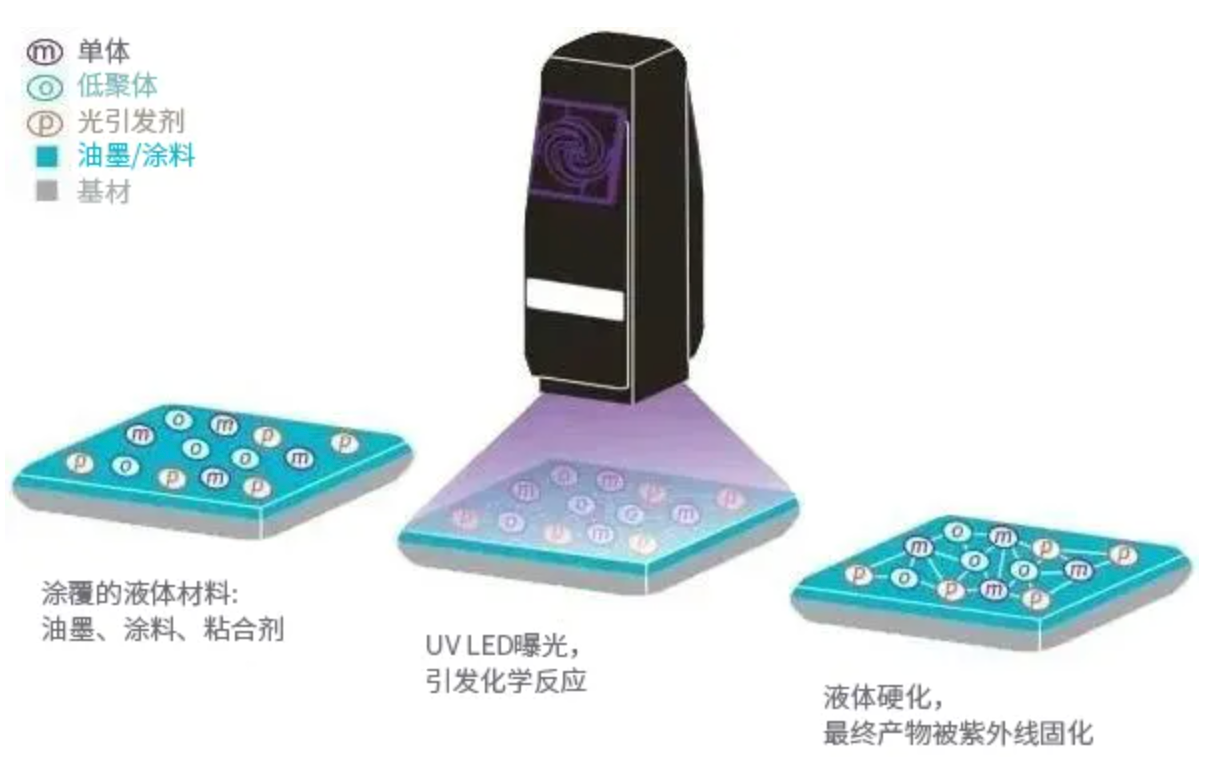
Under the irradiation of a UV LED ultraviolet light curing machine, the curing time of the ultraviolet light curing resin does not need to be as long as 10 seconds at all. It can be cured in basically 1.2 seconds, which is much faster than the traditional UV mercury light curing machine.
At the same time, the heat is also more ideal than UV mercury lamps. By mixing different components of UV-curable resin, products that meet different requirements and uses can be produced.
Currently, UV curable resins are mainly used for Wood floor coating, plastic coating (such as PVC decorative board), photosensitive ink (such as plastic bag printing), electronic product coating (marking and circuit board printing), printing glazing (such as paper, playing card glazing), metal parts (such as motorcycle parts) coating, optical fiber coating, photoresist and precision parts coating wait.
Over the past decade, UVLED technology has Mercury-free, environmentally friendly, precise wavelength, efficient and energy-saving characteristics, from Laboratories are moving toward industrialization, gradually replacing traditional mercury light sources ,become "Green engine" in industrial, medical, environmental protection and other fields” . Not only can it Second-level speed curing Precision components of new energy vehicles can also achieve 99.999% sterilization efficiency in the operating room; From protecting food safety to empowering quantum communications, UVLED is using "light" as the medium to reshape the boundaries between modern technology and life.