


What is the heat dissipation of Shenzhen Yongcheng Optoelectronics UVLED?read count [1071] release time:2020-03-10 20:25:00
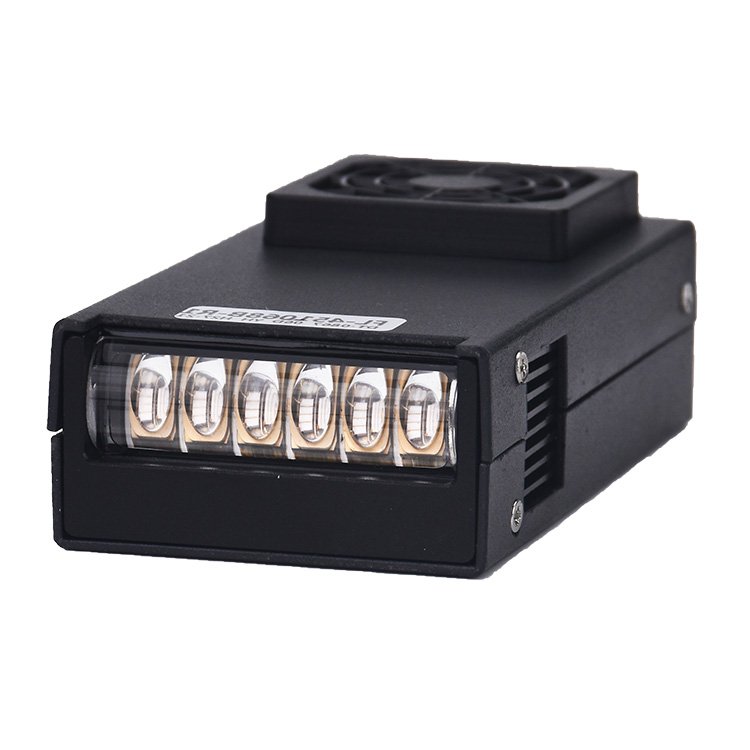
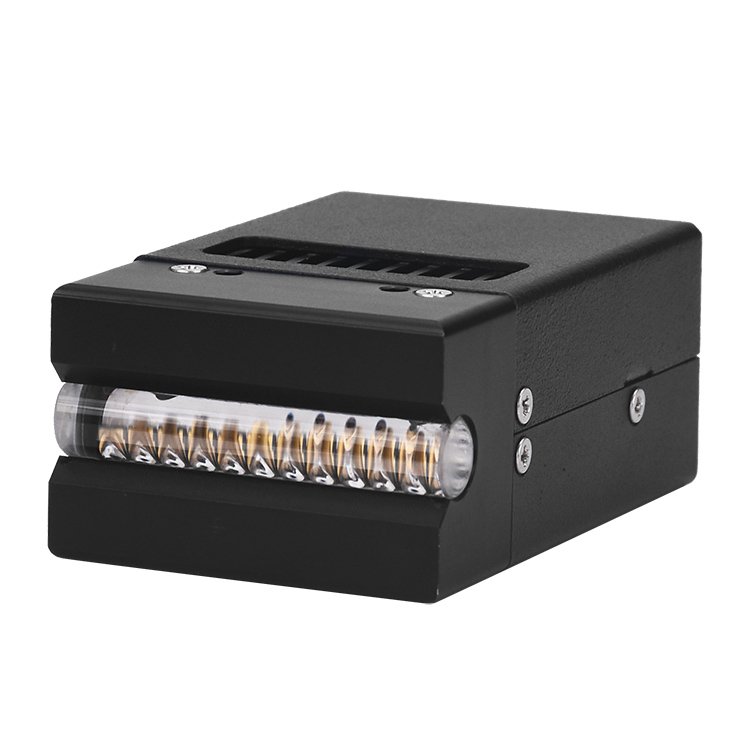
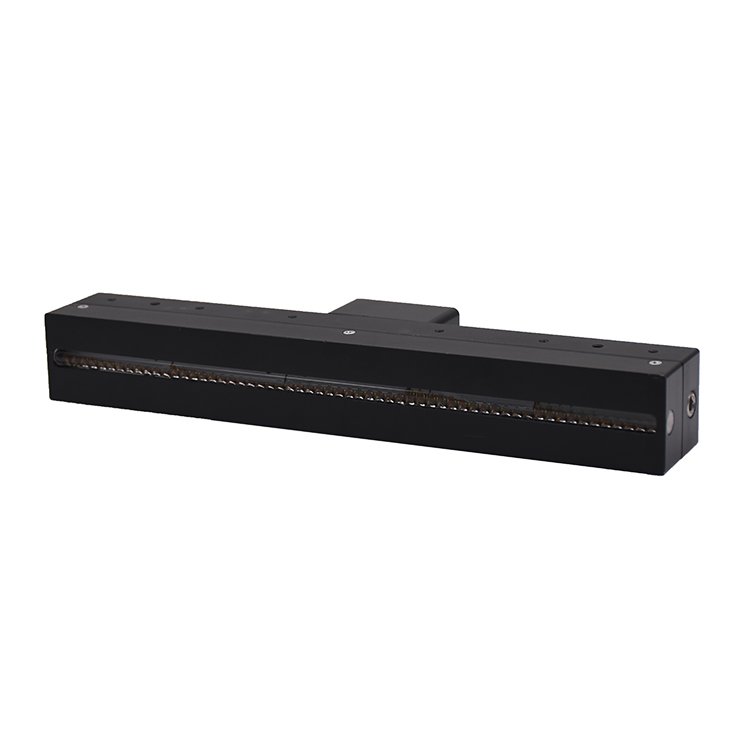
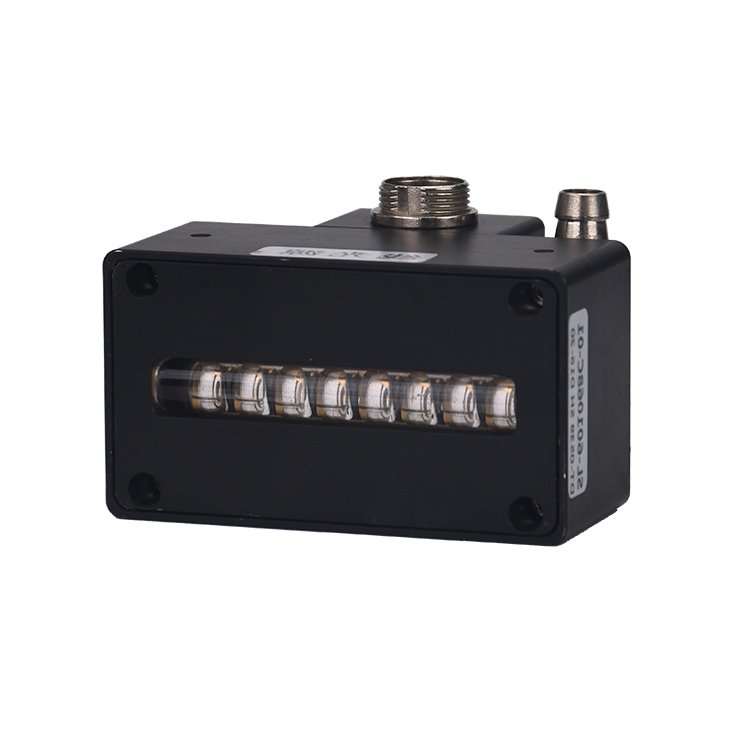
UVLED The heat dissipation of the equipment determines the service life of the equipment to a large extent. How does the manufacturer solve the heat dissipation problem? Shenzhen Yongcheng Optoelectronics uv led How is the heat dissipation? Let’s take a look!
Earlier microcontroller LEDs had low power and relatively limited heat dissipation, so the packaging was relatively simple. However, with the breakthroughs in LED material technology in recent years, LED packaging technology has gradually developed from early single-chip microcomputers to a set of flat, large-scale multi-chip packaging modules; its current has increased from low-power LEDs in the early 20th century to 1/3~1A now, and the input power of a single LED is as high as 1W or more, and some even reach 3W or 5W.
Many end applications, such as small projectors, automobiles and lighting sources, require more lumens or thousands of cavities in a specific area, and the packaging of single-chip microcomputers is obviously not enough. Multi-chip LED packaging, with the chip directly facing the substrate, is the future development trend.
Since high-brightness and high-power LED systems will have thermal issues that affect product quality and rapidly discharge thermally conductive components into the surrounding environment, heat treatment must be performed from the packaging level (L1 & L2). The current practice in the industry is to pass the chip with solder or hot paste through a hot melt pool through a heat sink to reduce the thermal resistance of the packaged module.
uvled Heat dissipation problem is a major obstacle to the development of LED lighting fixtures. Using ceramics or heat pipes is an effective way to prevent economic overheating, but thermal management solutions make material costs rise, and the purpose of high-power LED thermal management is to effectively reduce R. Junction-to-case material solutions provide lower thermal resistance through the chip, but highly conductive additional or thermal metal methods to provide heat directly from the chip to the outside of the package.
Of course, uvled, LED cooling elements and CPU cooling are similar. They are both air cooling modules composed of radiators, heat pipes, fans and thermal interface materials. Of course, water cooling is one of the thermal countermeasures. The currently popular large-size LED TV backlight modules, 40-inch and 46-inch LED backlight input powers are 470W and 550W respectively. 80% of the heat is thermal energy, and the required heat is about 360W and 440W.
So how to take away this heat? The current commonly used cooling method in the industry is water cooling, but it has high prices, reliability and other problems; it also requires cooling with heat pipes and cooling fans.