

Classification of wavelengths of uvled curing equipmentread count [1503] release time:2019-12-25 18:40:00
As the name suggests, the function of UVLED curing equipment is for curing. Different wavelengths will lead to different curing effects. Therefore, the wavelengths of light sources used by different companies when selecting curing equipment are actually different. So how are their wavelengths classified? What are the specific wavelengths in different bands? First of all, we must make it clear that the uvled light source emits ultraviolet rays. Ultraviolet rays refers to the general term for radiation with wavelengths from 10nm to 400nm in the electromagnetic spectrum. It cannot cause people's vision, that is, it is invisible to the naked eye. It was not until 1801 that the German physicist Ritter discovered that a section outside the violet end of the sunlight spectrum could sensitize photographic films containing silver bromide, thus discovering the existence of ultraviolet light. On the one hand, ultraviolet rays can be used for sterilization, but on the other hand, if too much ultraviolet rays enter the body, it can cause skin cancer. Ultraviolet wavelengths are divided into the following intervals according to different applications:
1. UVA: The wavelength is 320-390nm, also known as long-wave dark spot effect ultraviolet light. It has strong penetrating power and can penetrate most transparent glass and plastics. More than 98% of the long-wave ultraviolet rays contained in sunlight can penetrate the ozone layer and clouds to reach the earth's surface.
2. UVB has a wavelength of 280-320nm, also known as medium-wave erythema effect ultraviolet light. Medium penetration, its shorter wavelength will be absorbed by transparent glass. Most of the medium-wave ultraviolet light contained in sunlight is absorbed by the ozone layer. Only less than 2% can reach the earth's surface. It will be particularly strong in summer and afternoon. 3. UVC wavelength is below 280nm, also known as short-wave sterilizing ultraviolet light. It has the weakest penetrating ability and cannot penetrate most transparent glass and plastics. The short-wave ultraviolet rays contained in sunlight are almost completely absorbed by the ozone layer. Short-wave ultraviolet rays are very harmful to the human body. Short-term exposure can burn the skin, and long-term or high-intensity exposure can also cause skin cancer. UV high-pressure mercury lamps and ultraviolet germicidal lamps emit UVC short-wave ultraviolet rays.
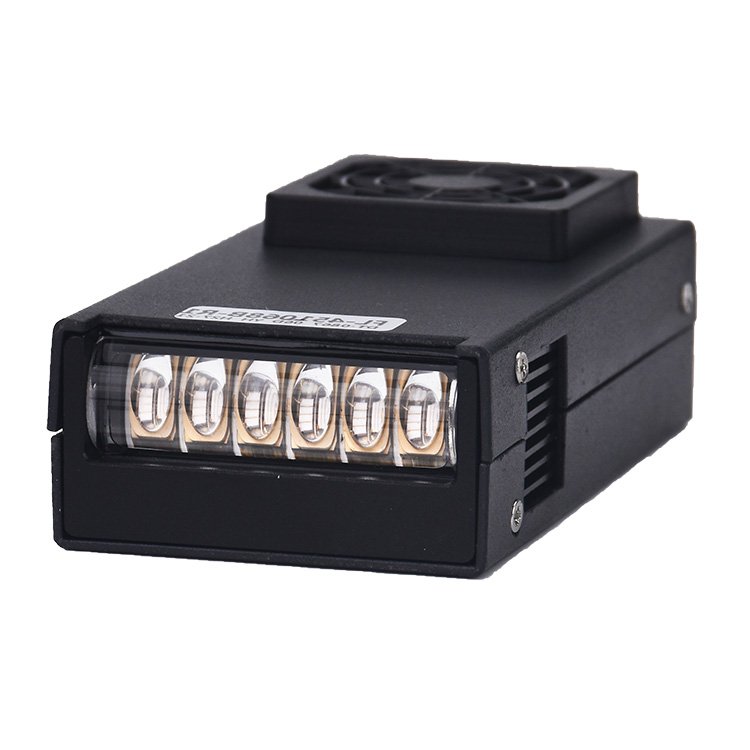
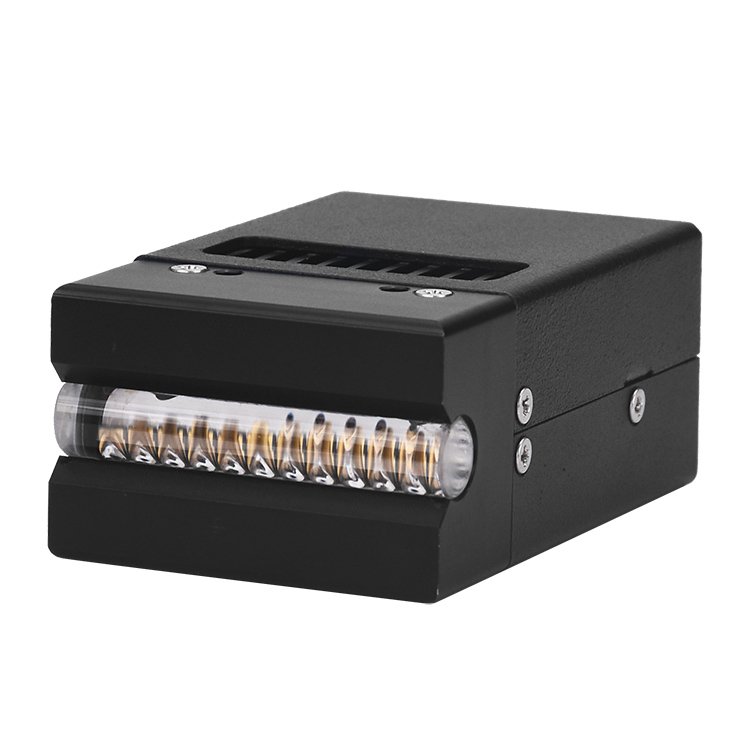
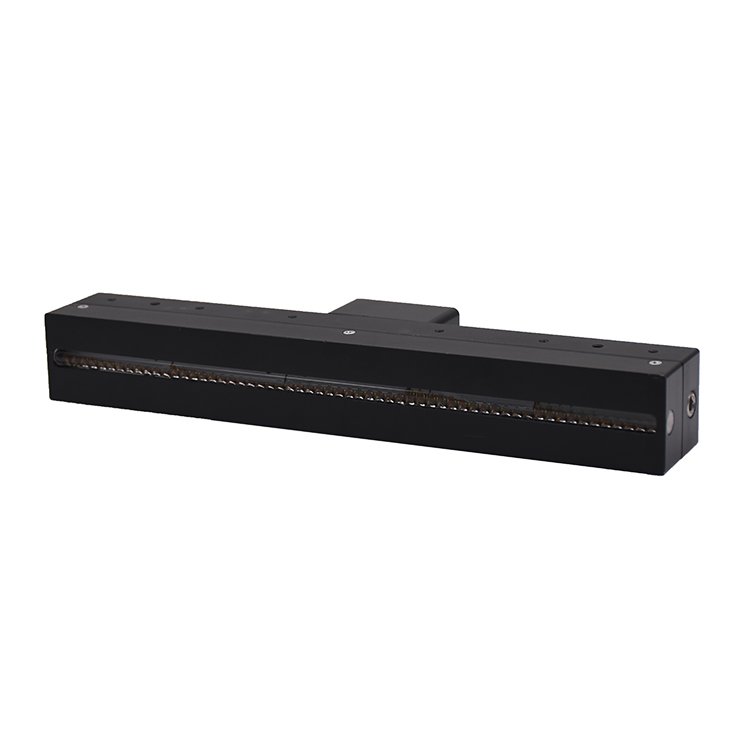
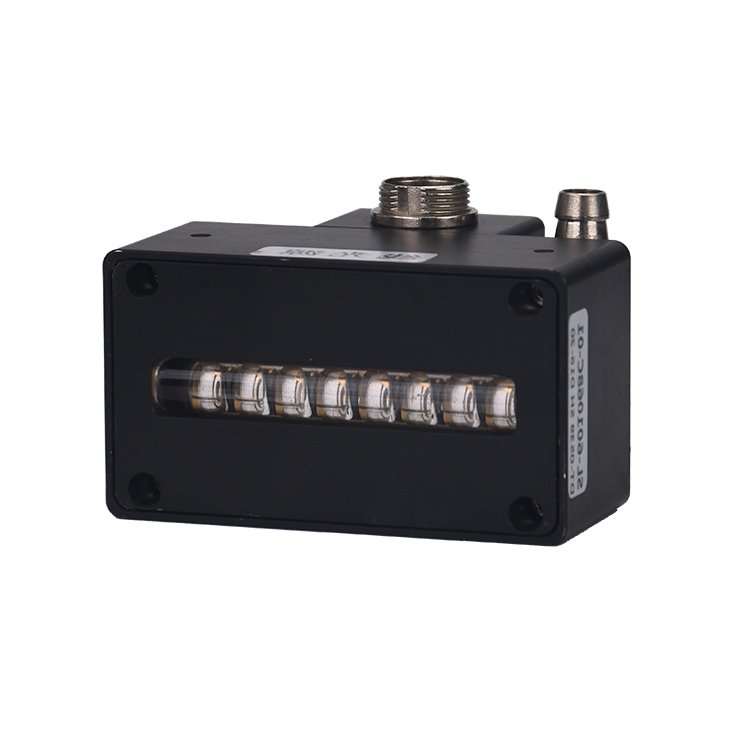
4. UVD wavelength is 100~200nm, also known as vacuum ultraviolet light. Currently, the UVLED curing light sources used in industrial light curing on the market are mainly concentrated between 360nm and 420nm. Among them, the production of uv led Curing equipment manufacturers can mainly provide customized wavelengths of 365nm, 385nm, 395nm, 405nm, and 415nm.