


UVLED curing for flat panel display devicesread count [1125] release time:2022-06-30 14:22:00
At present, flat panel displays have become the mainstream of display products. According to the display media and working principles, there are liquid crystal displays (LCD), plasma displays (PDP), electroluminescent displays (ELD), organic electroluminescent displays (OLED), field emission displays (FED), projection displays, etc. With the thinning of display devices and the popularity of UVLED curing glue, many display devices have begun to use UVLED curing glue for bonding and fixation. The following are the locations of some commonly used UVLED curing glue in display modules.
![DZ5FLS4[WRY]V)UJ(J(PIHP](/static/upload/2023/06/10/1656571518695537.jpg "DZ5FLS4[WRY]V)UJ(J(PIHP")
Display edge banding UVLED curing
1. Temporary positioning of photoelectric components
In the LCD display assembly process, the positioning of the upper and lower glass layers is a very important step. When using heat-curing epoxy glue to seal the motherboard, UVLED curing glue can be used to position the two pieces of glass. This UV glue must soften when heated and must be removed when cutting and trimming individual LCD displays.
2. Mainboard sealing
Motherboard sealing is to bond and seal together two glass substrates with a specified gap, which can limit the liquid crystal material to the sandwich between the two glasses. Since liquid crystal is a highly active solvent, the UVLED curing glue that seals the liquid crystal has high requirements. In addition to high bonding strength, it must also have good resistance to moisture and heat. Otherwise, image stains, reduced contrast, increased power consumption, bubbles in the liquid crystal, and even glass detachment will occur.
3. End-capping
After the motherboard is sealed, there is a liquid crystal filling port left. The liquid crystal material can be injected through the filling port using vacuum infusion, and finally sealed with UVLED curing glue. The sealing adhesive has always been epoxy adhesive. Since epoxy adhesive cures slowly, it has a long contact time with the liquid crystal before curing and easily penetrates into the liquid crystal material. The new type of liquid crystal is very sensitive to foreign matter. Foreign matter will directly cause program confusion and bring losses to the manufacturer. UVLED curing glue is suitable for liquid crystal capping because its curing time is short, which can reduce the contact time between liquid crystal and UVLED curing glue before curing.
4. Bonding of metal lead terminals
The bonding of metal lead terminals is to clamp the metal pins on the glass and coat them with UVLED curing glue. This kind of bonding requires that the cured glue has moderate hardness, does not flow after coating, has good surface dryness when UVLED is cured, has good electrical insulation properties, has high bonding strength to glass and metal, and has excellent resistance to moisture and heat aging. ;
5. Flexible end sealing
Flexible end capping refers to the two ends where the LCD display and the driver integrated circuit are connected with flexible wires or ribbon wires. Dust or humidity can easily cause interference. The interfaces at both ends should be protected with UVLED sealant.;
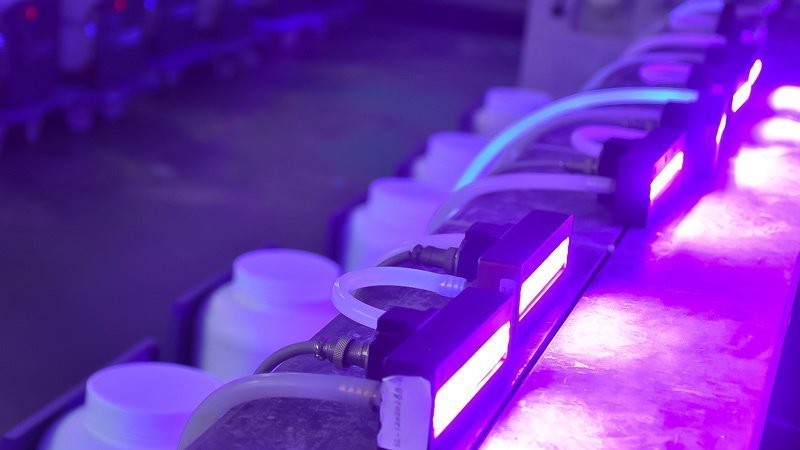
UVLED curing equipment aging
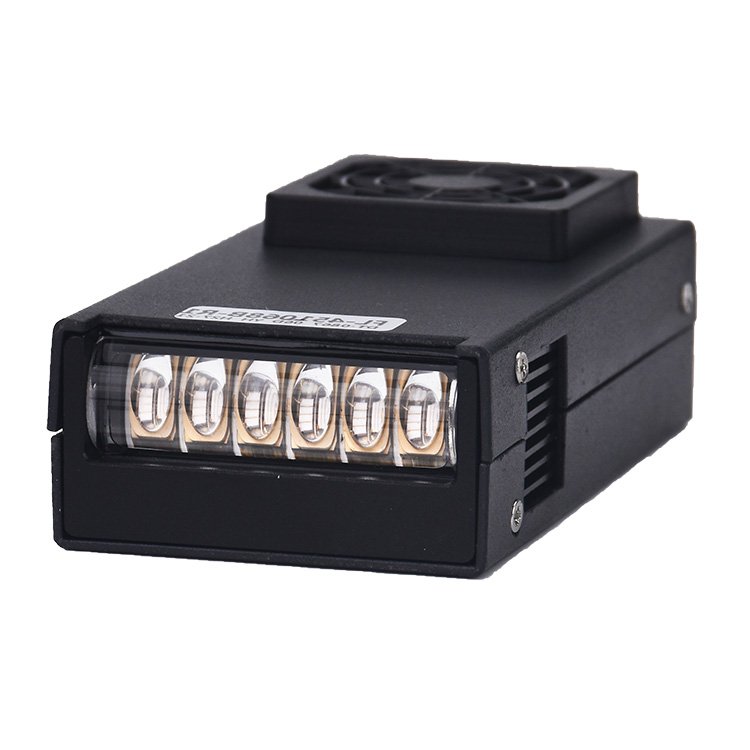
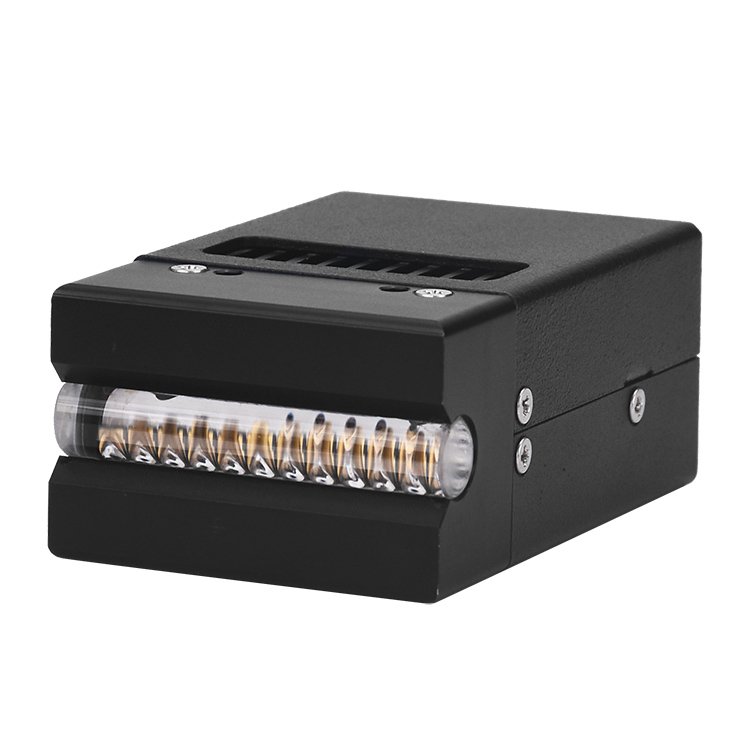
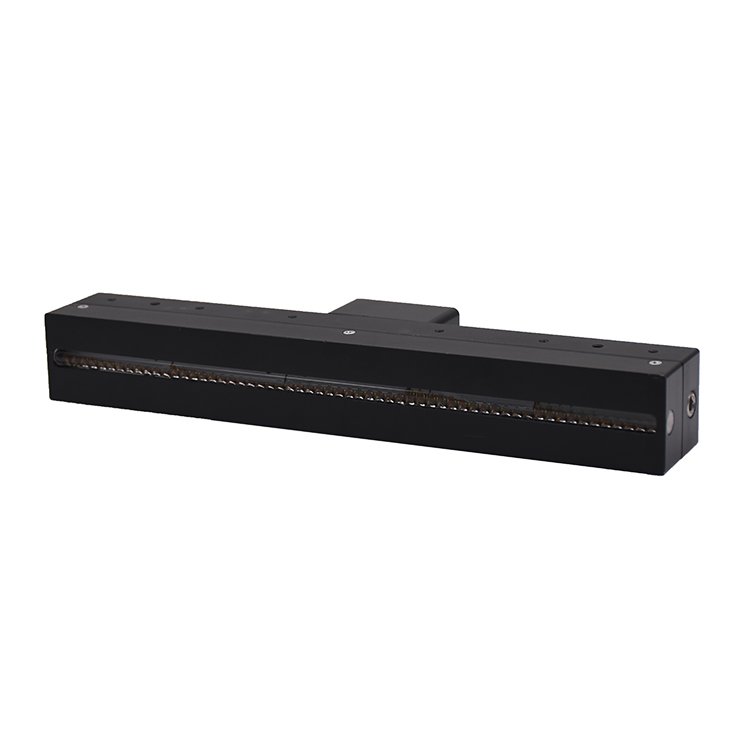
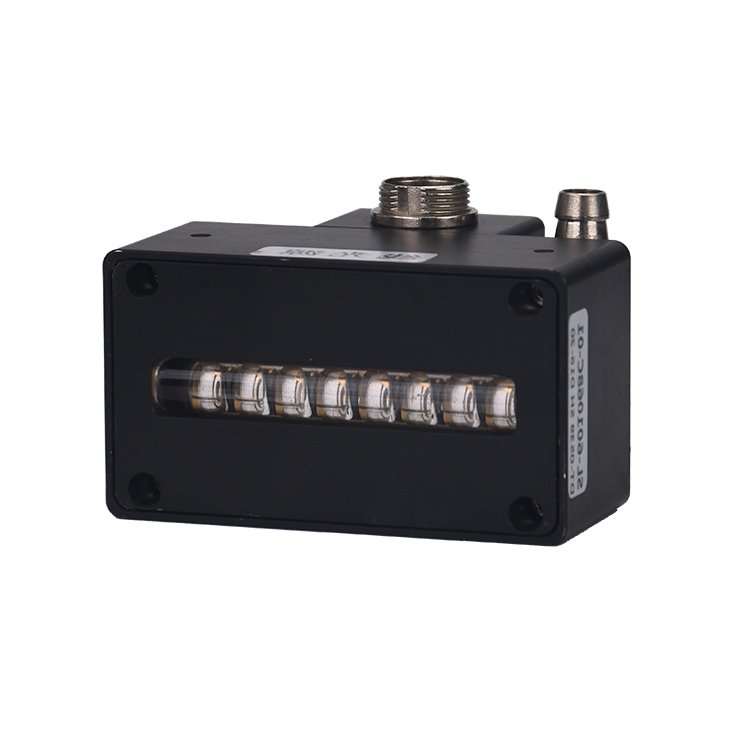
The curing of UVLED curing glue is inseparable from curing equipment. Currently, Shenzhen Yongcheng Optoelectronics Co., Ltd. is the first company in the country to do well in UVLED curing equipment. It has 13 years of R&D and production experience in the field of UVLED curing equipment. It currently has more than 10,000 square meters of production plants and is the first choice for choosing UVLED curing equipment.